A real brief, not a test prompt
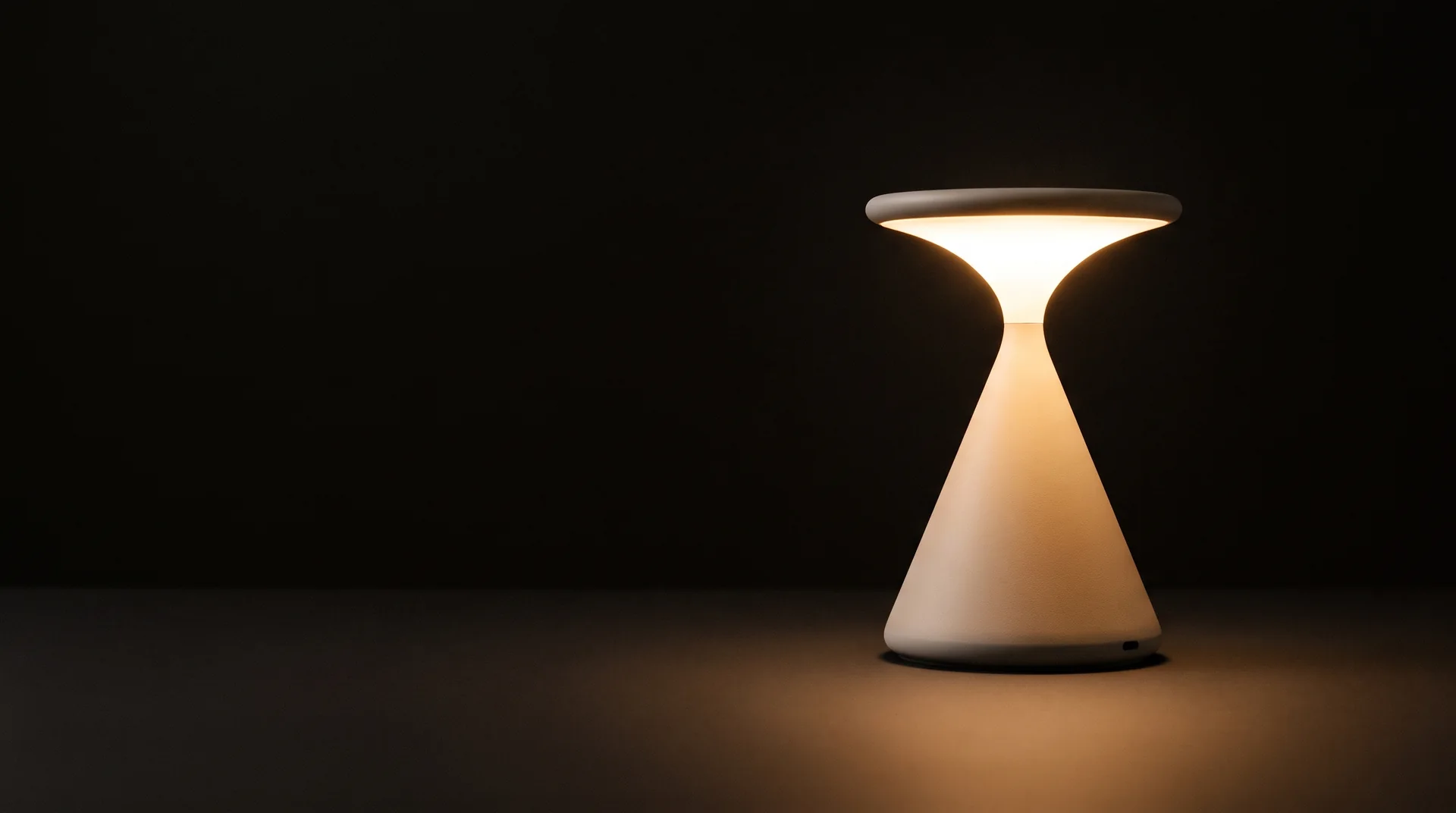
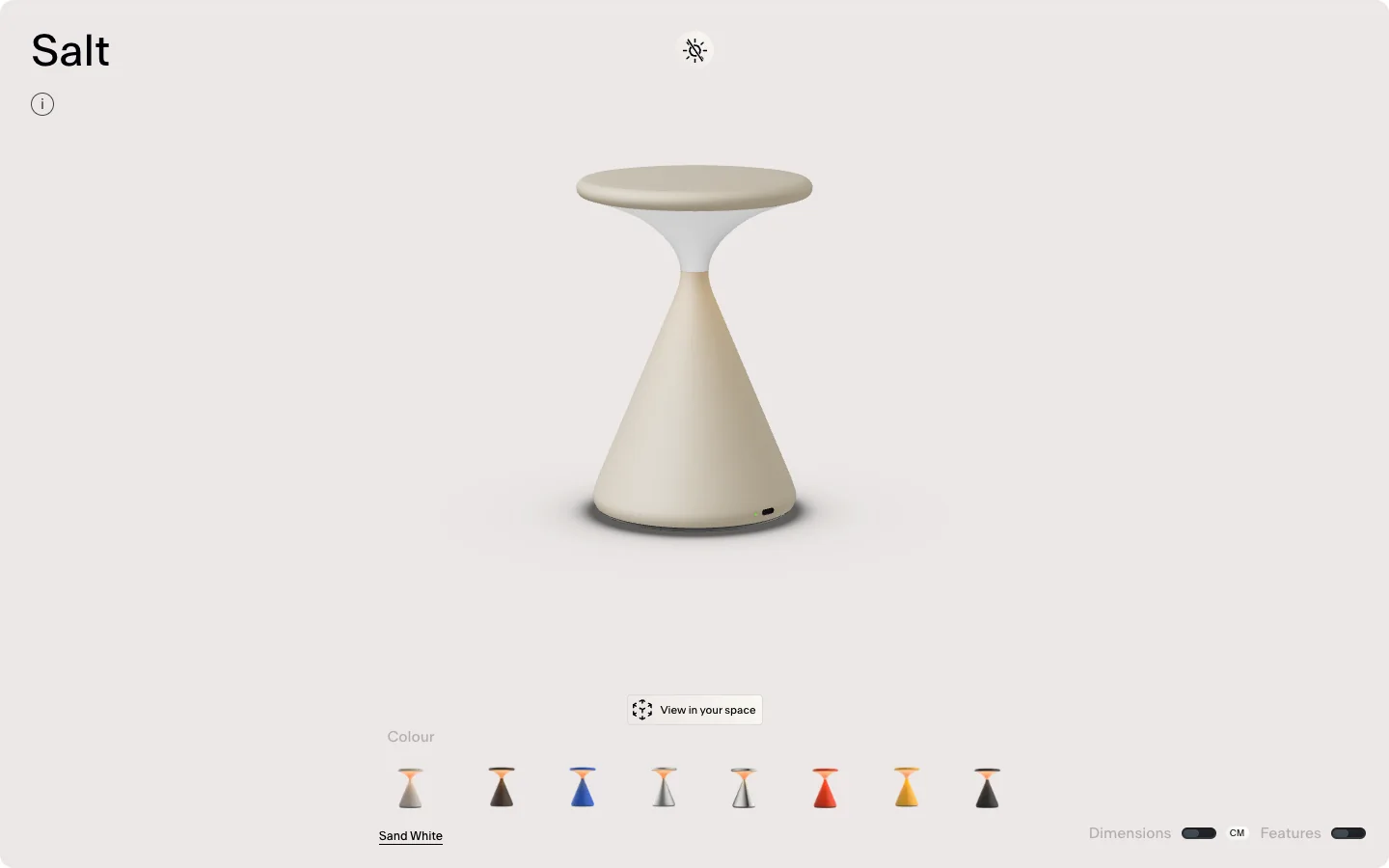
We tried to simulate a real-world scenario: the same brief a client would send us, or rather a similar brief a client already sent us. Earlier this year our team built the interactive configurator for the GRAU Salt, a cordless aluminium lamp in eight colourways from GRAU, a German lighting brand that sits closer to art than to hardware. Roughly 20 hours combined between three people: 8 of modelling, 4 of design, 8 of development, across a few days, with feedback from the client and a few iterations in between. It is live and the client approved it.
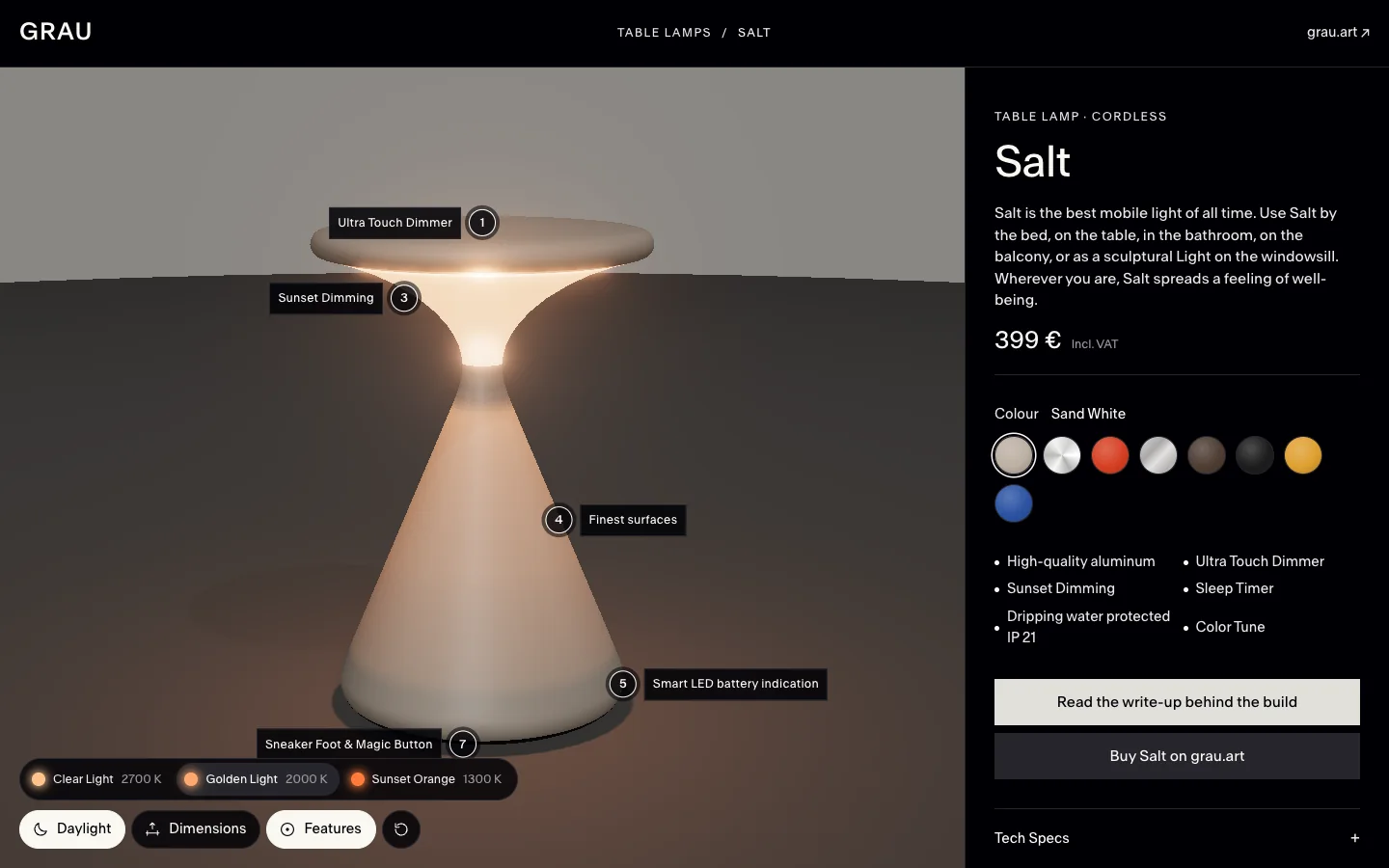
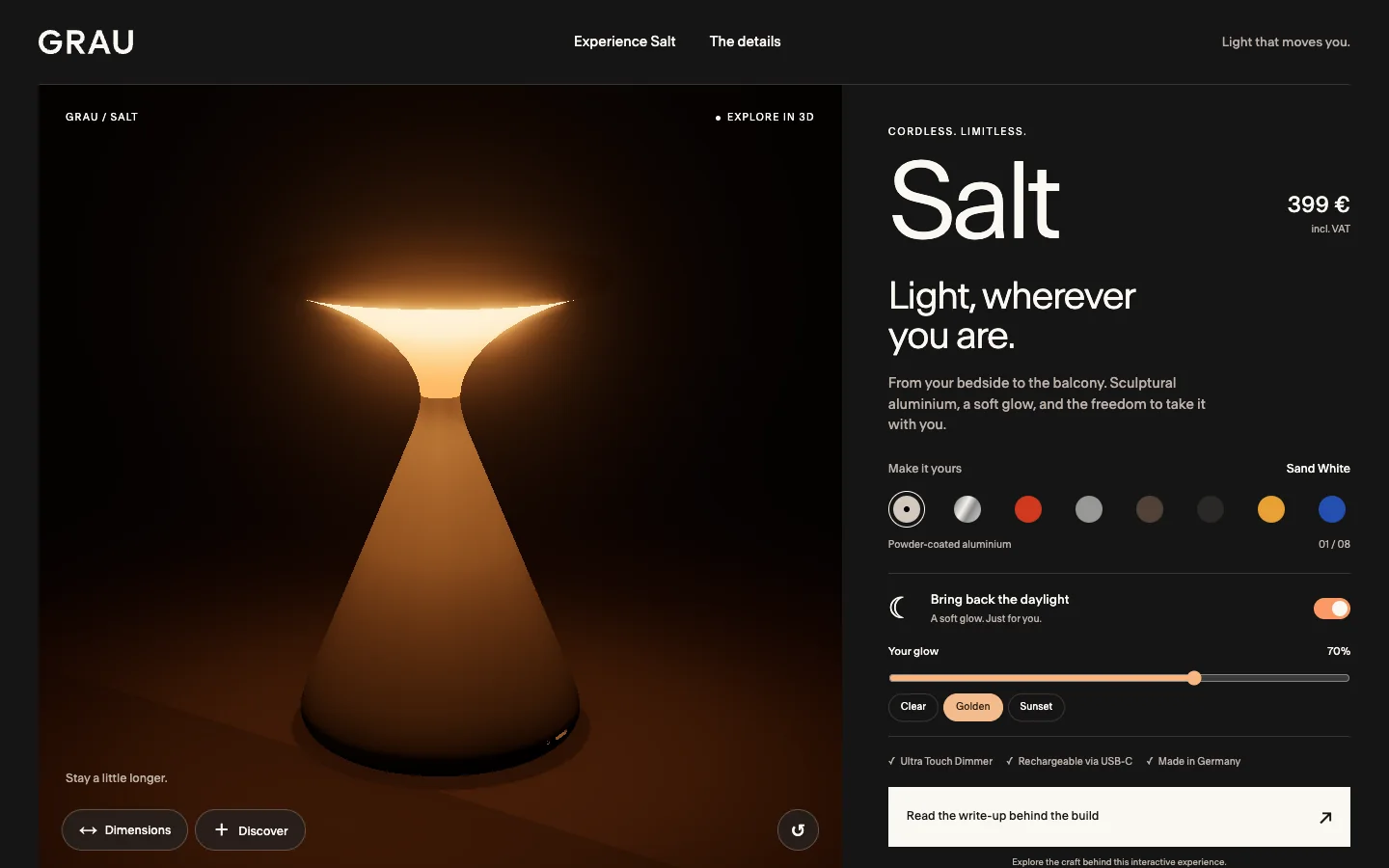
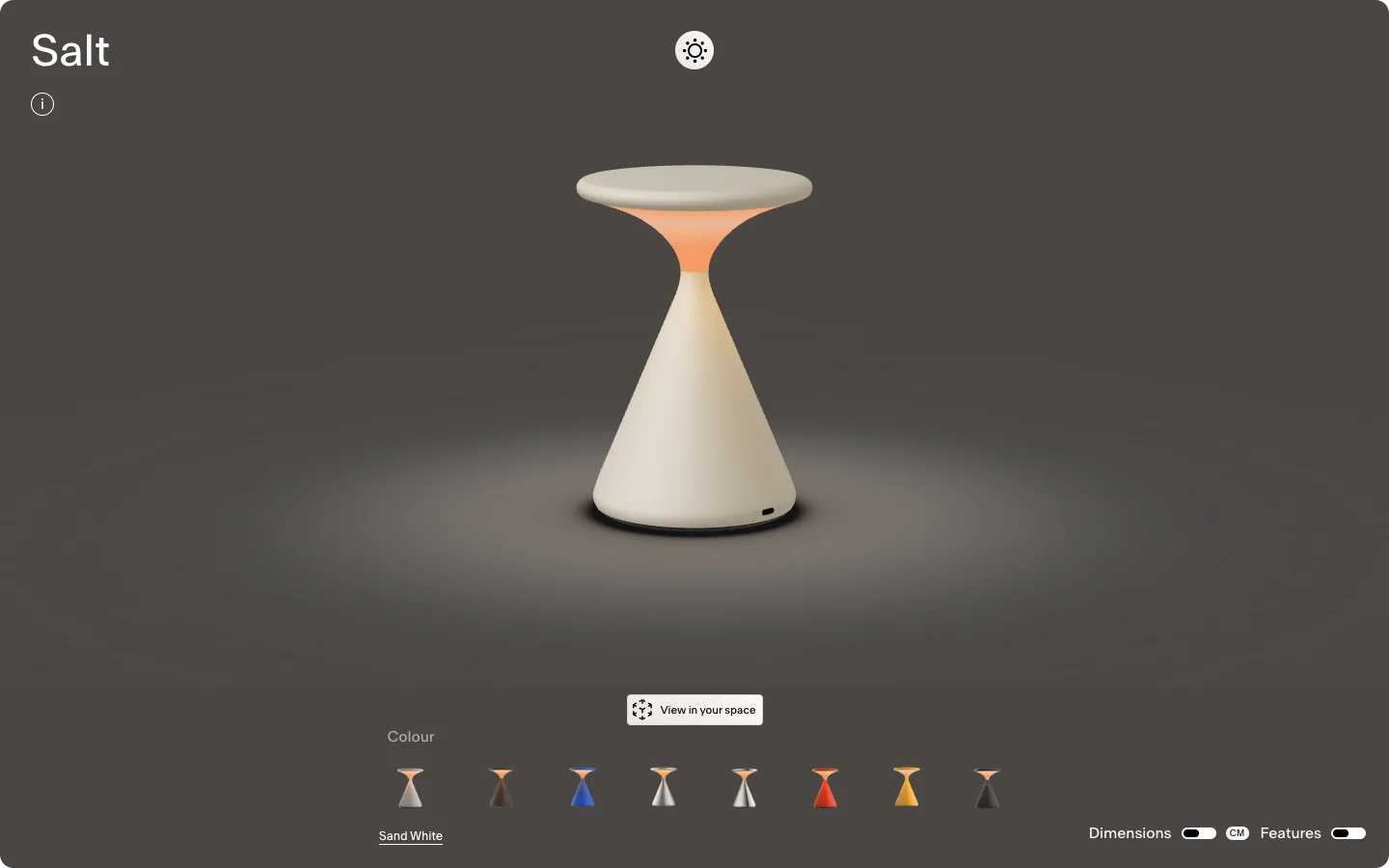
So we handed a similar job to Fable 5.1 and GPT-6 Astra. Each got the manufacturer's own CAD, the DWG and 3DS that GRAU publishes, and a link to the live product page. Then the whole job: a web-ready asset and a configurator built to sell. Eight colourways, a night mode, measurable dimensions, hotspots written from the brand's own copy, working on a phone.
They chose their own tools. Nobody helped once the clock started. Our own configurator was named and put off limits.
Both of them shipped
28 min
each. Our team's version took roughly 20 hours.
Not the demo. Two working product pages, on the brand's colours and type, the lamp in the middle, the features annotated. The goal was the full job, from zero to done, and both got there. One of them added three light temperatures nobody asked for, at the correct kelvin values from the brand's own page.
The night mode is a nice effect in both, and it is worth saying plainly: it is far from realistic. Light that behaves like the real lamp is very hard to generate, and neither build gets there.
Neither of them touched the geometry
7,474
triangles in the CAD. Both delivered exactly 7,474.
The usual thinking is that CAD is heavy and must be reduced for the web. In this case both recognised the file was already right for the job and that there was no need to change the geometry. They left every vertex where the manufacturer put it. The right call, and not the obvious one.
We did not take their word for it. Every vertex of both assets was re-measured against the original CAD, and the results were checked again by a second pass. Astra: 0.01 µm of drift (a hundredth of a micrometre; a micrometre is a thousandth of a millimetre). Fable: 9.7 µm. Both reports held up.
Here is where it gets interesting
76 KB
Fable's file, compressed. Astra shipped 214 KB, exact to the micron.
Same geometry, different outputs. Fable optimised for weight and loading speed: 16-bit positions and meshopt compression, a file 2.8 times lighter, with under ten microns of drift. Astra did not compromise on exactness: no quantisation, no lossy compression, zero drift, and a file passed through the Khronos validator with no warnings.
In this case both are fine, because the product itself is tiny. Fable's logic, get the download as small as it can be, is good. Astra's logic, never give up quality, is good. Two excellent answers to the same question.
Materials: this is the hard part
Colour and finish are the hardest part of this work. It is where our own team spent quite a few iterations to get the materials right, because the client is in love with their colours and holds them to a high standard. Powder coat, brushed aluminium and an opal diffuser do not come from a hex code.
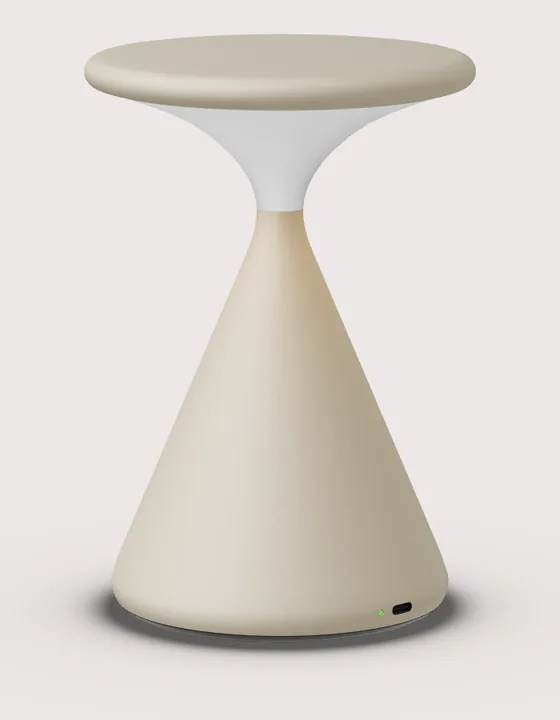
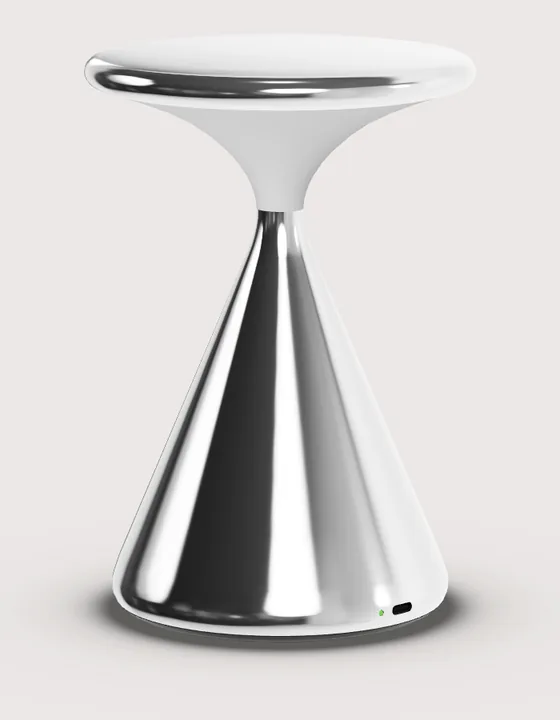
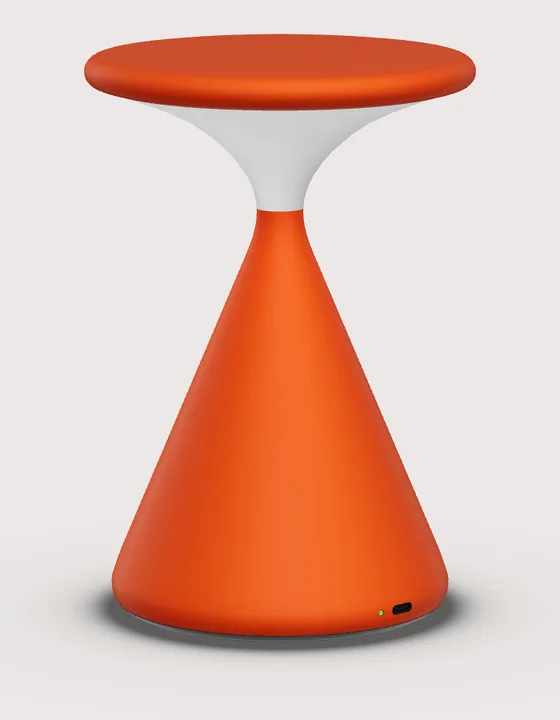
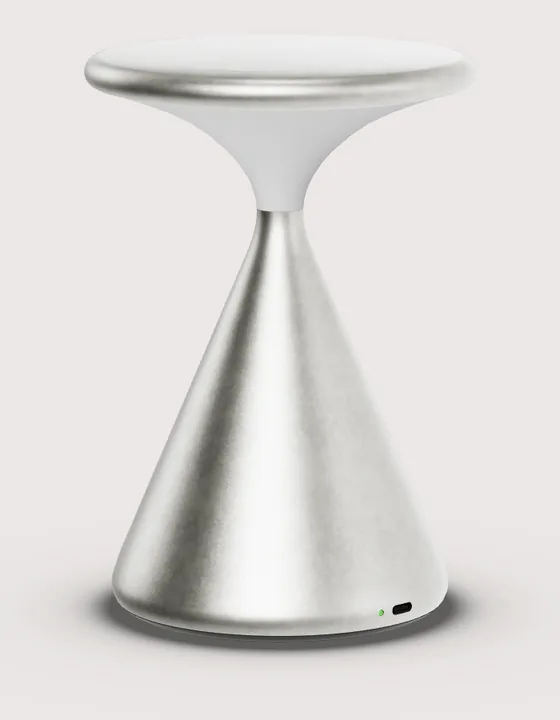
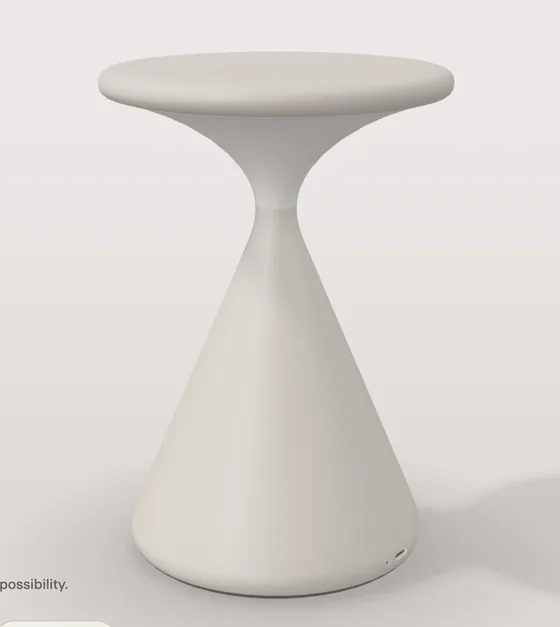
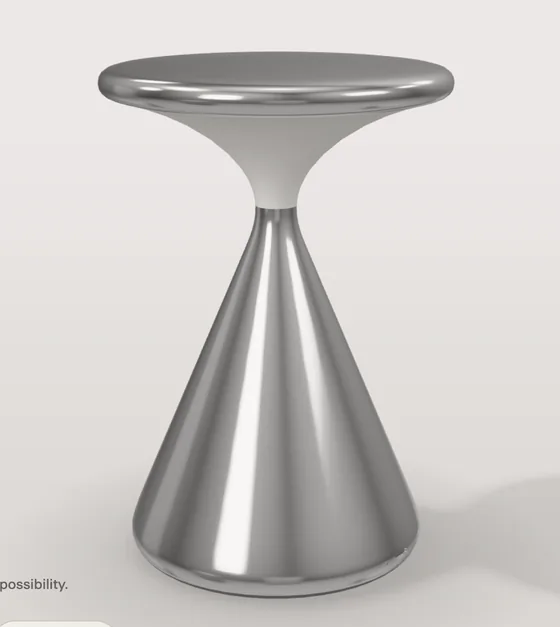
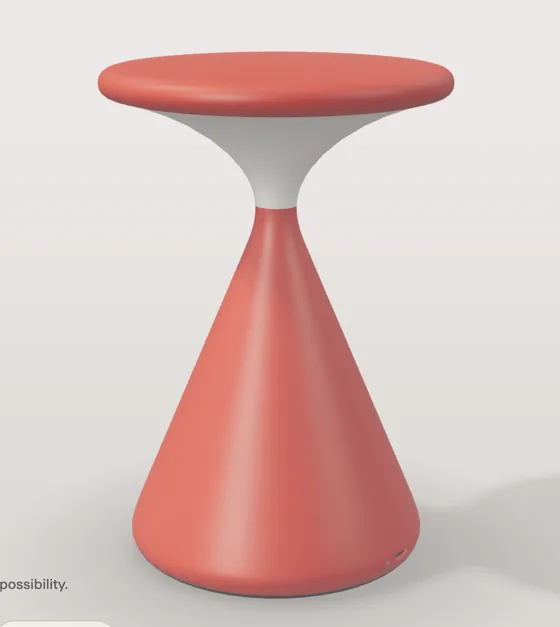
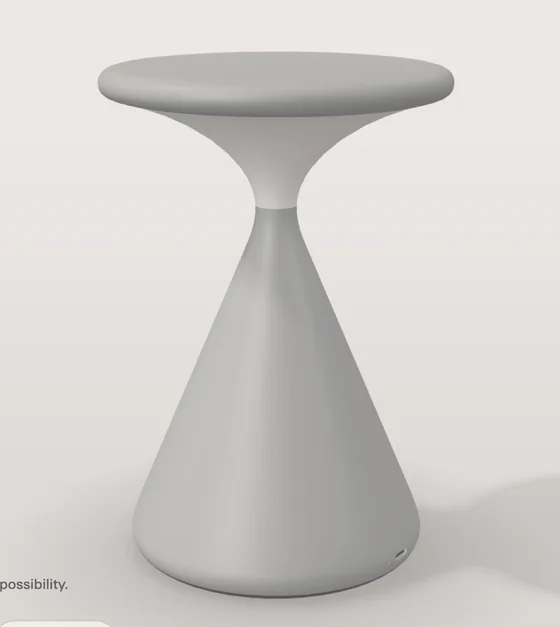
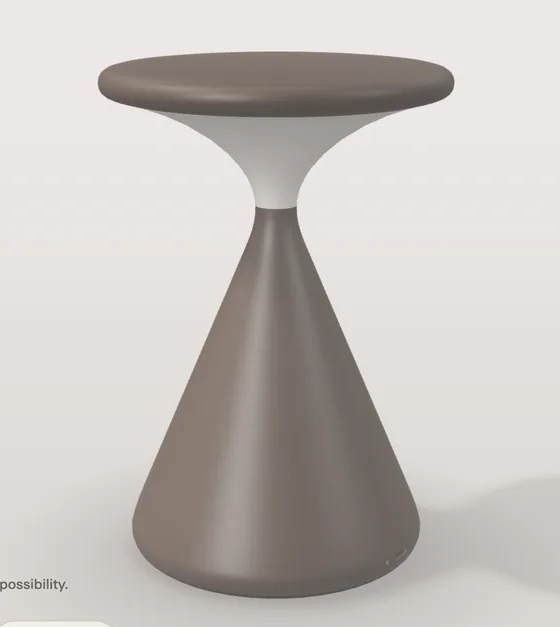
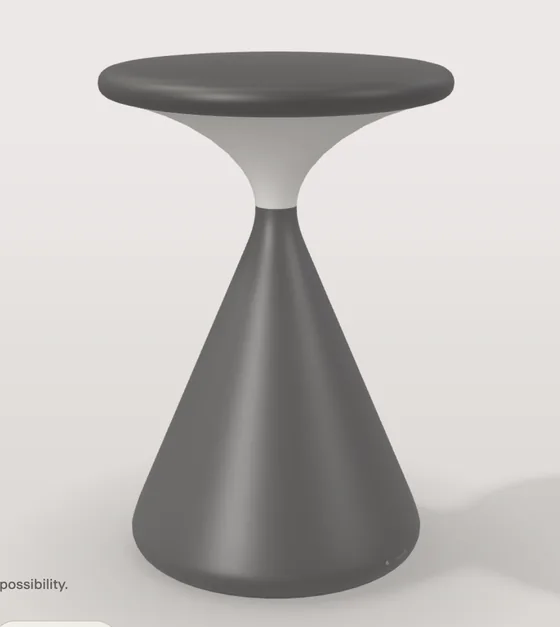
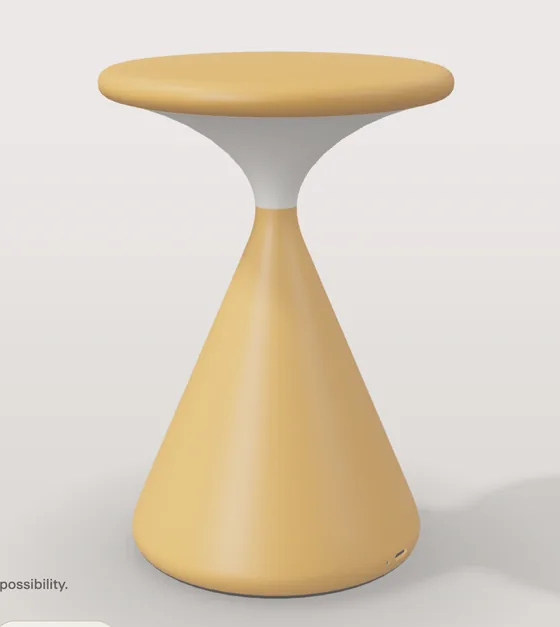
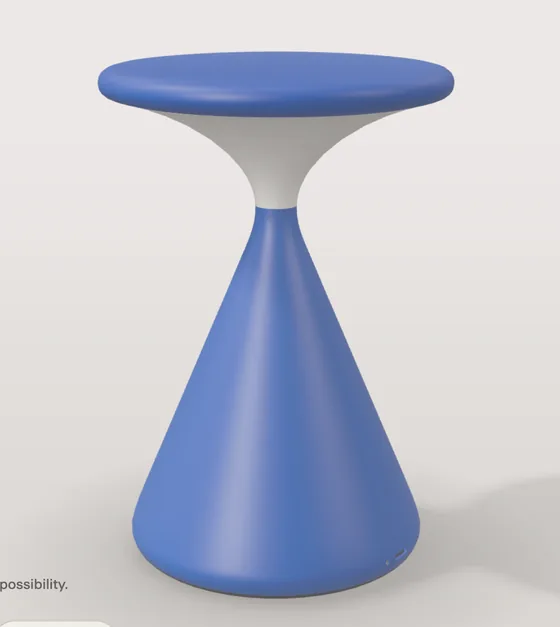
Neither model got close. The shapes are identical; the surfaces are not. Look down each column: the same colour name, three different objects.
Sand White
Polished
Blood Orange
Raw
Chocolate
Black
Sun Orange
Ultramarine
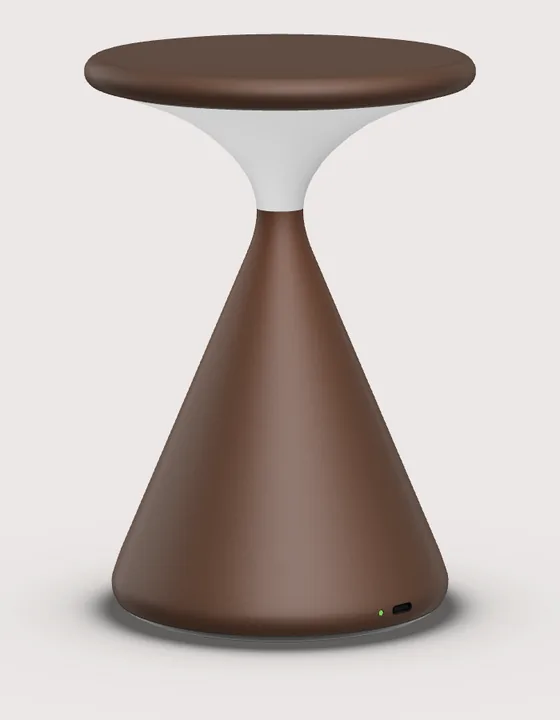
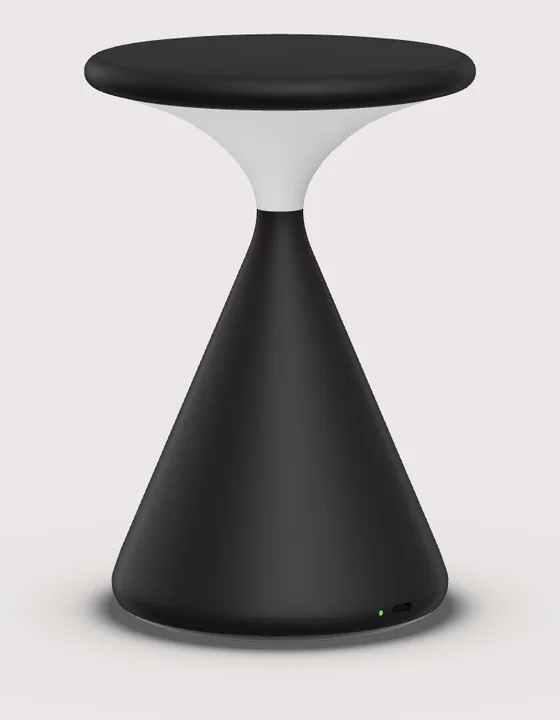
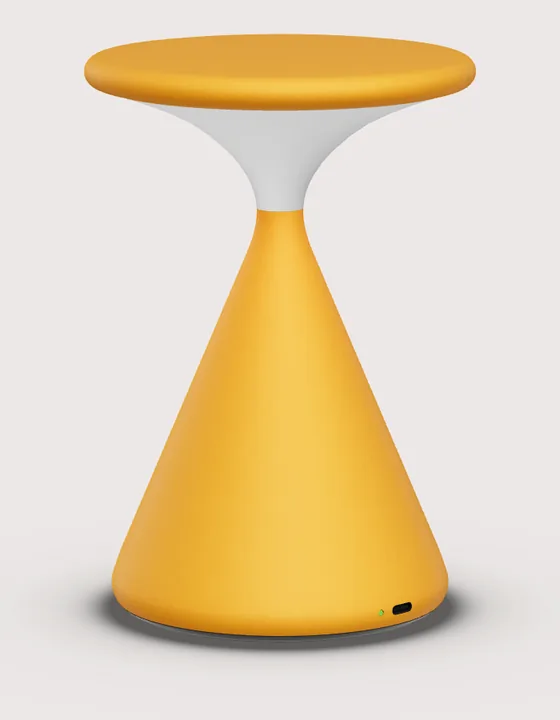
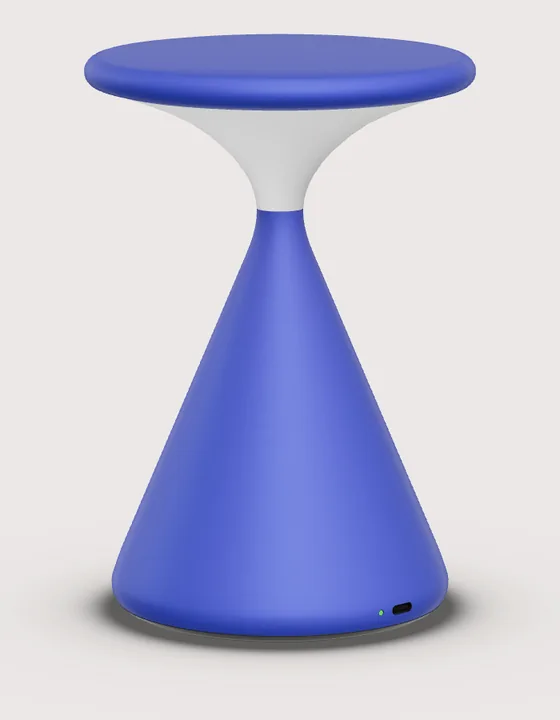
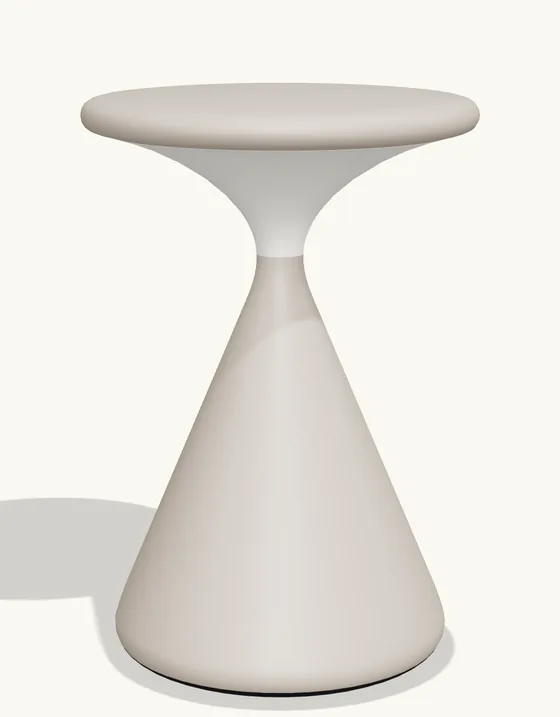
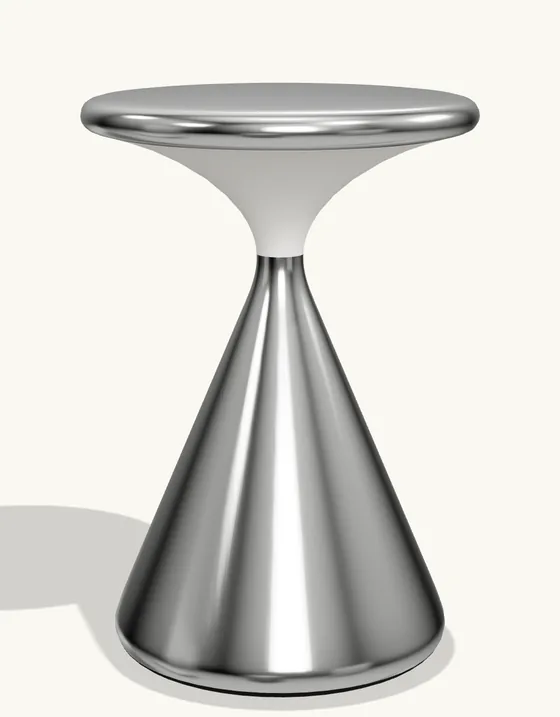
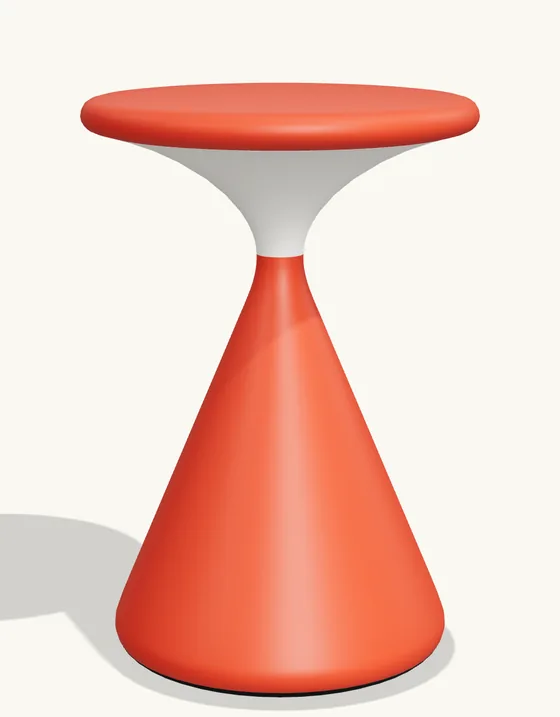
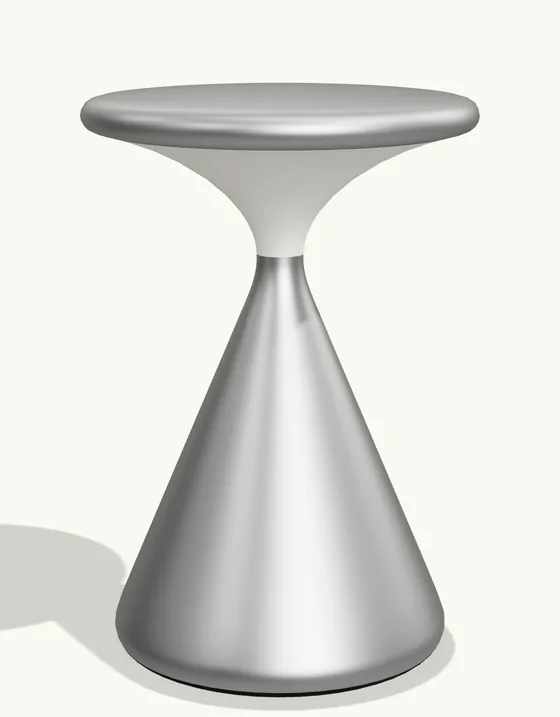
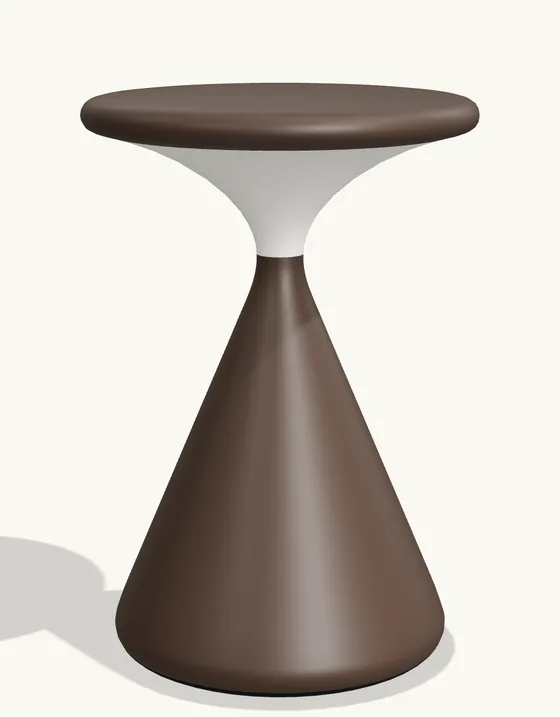
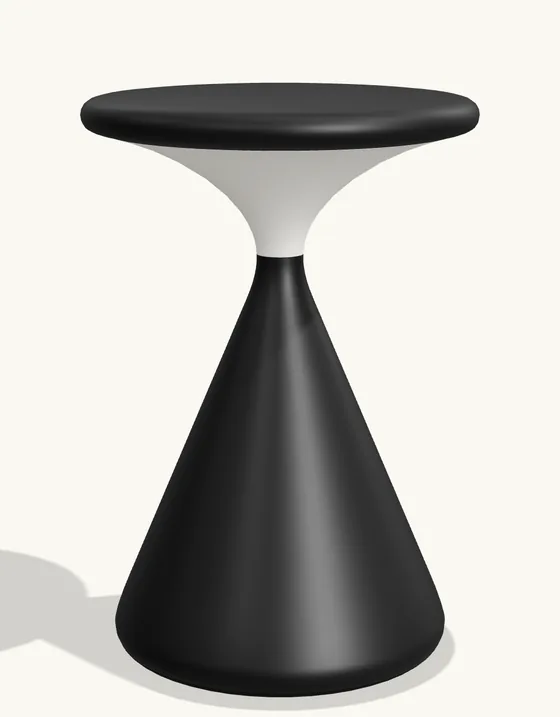
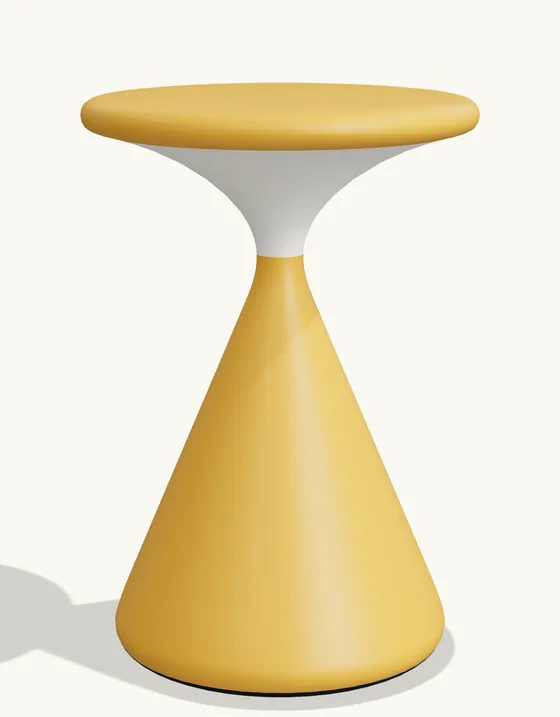
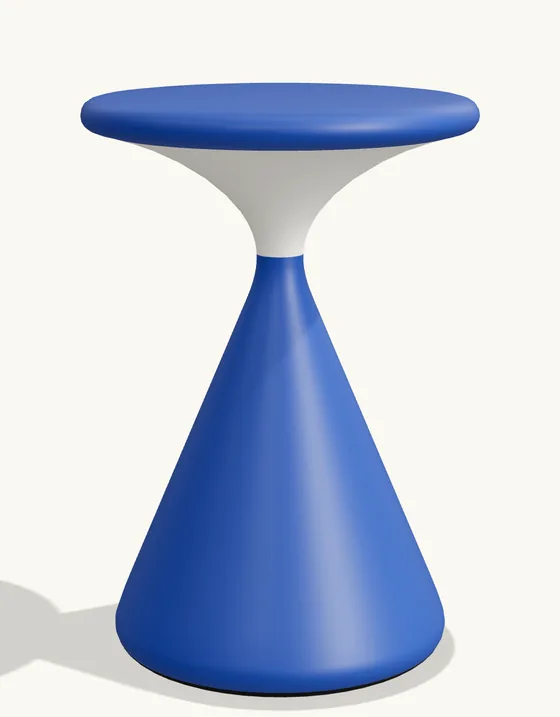
Small details, big difference
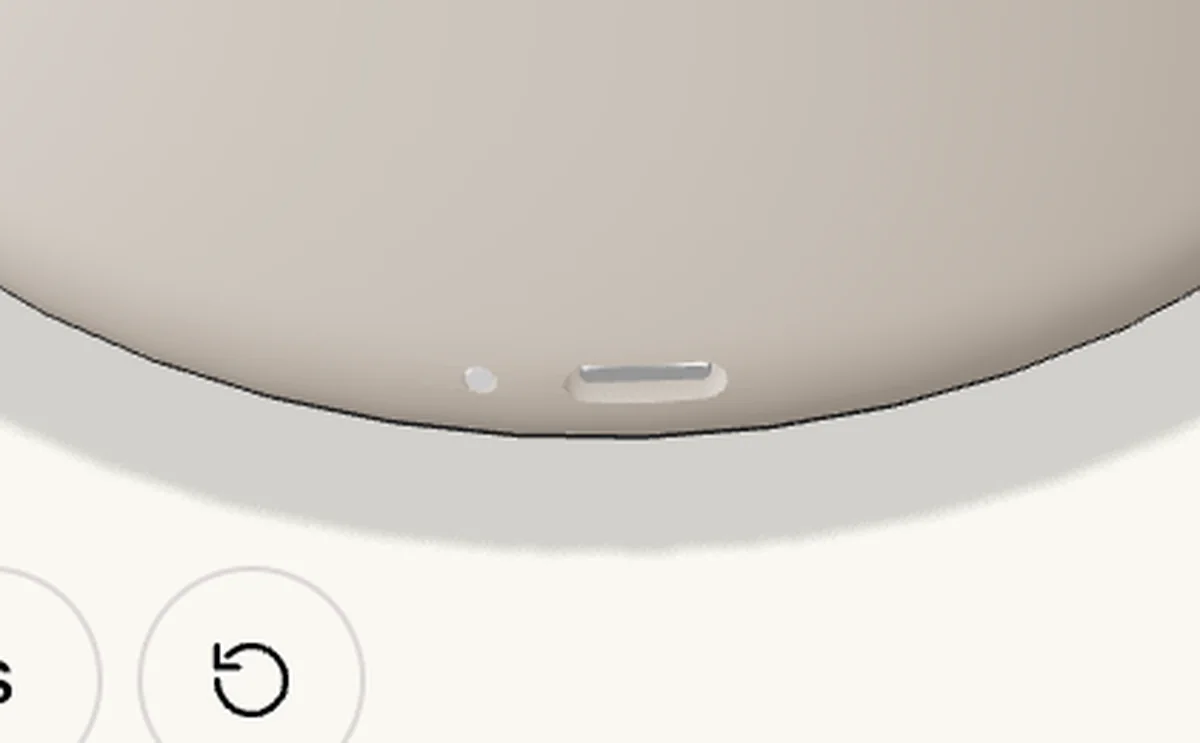
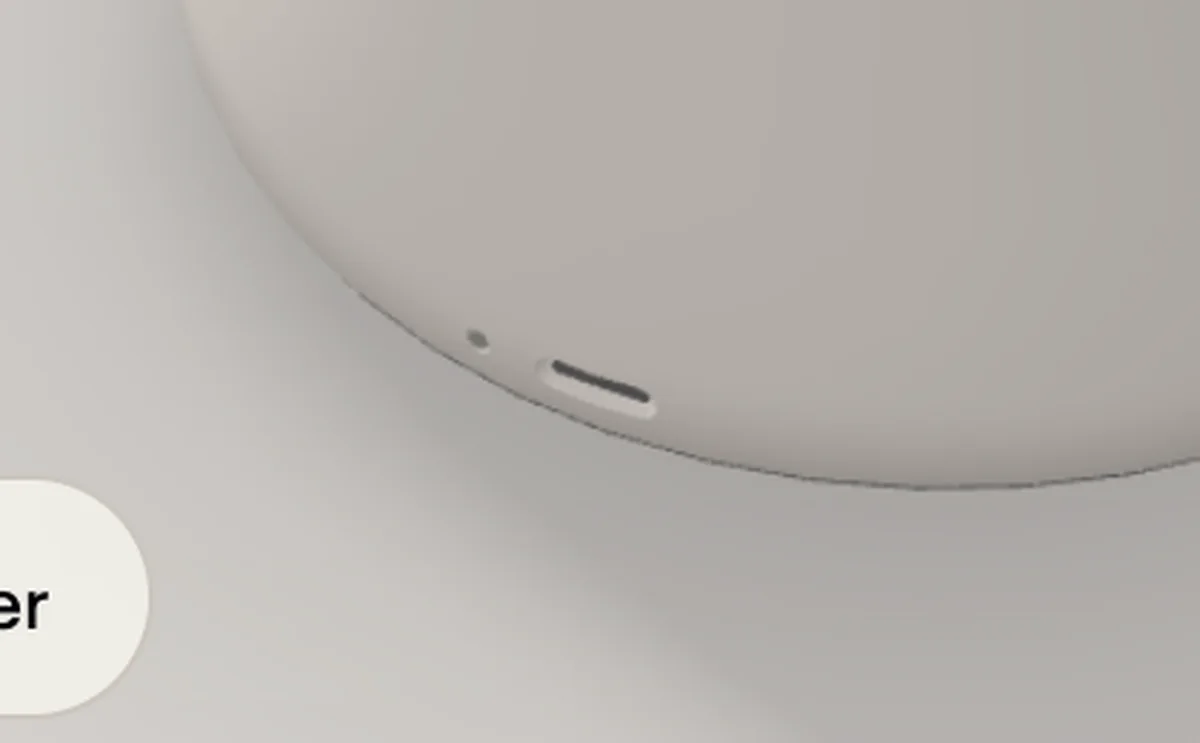
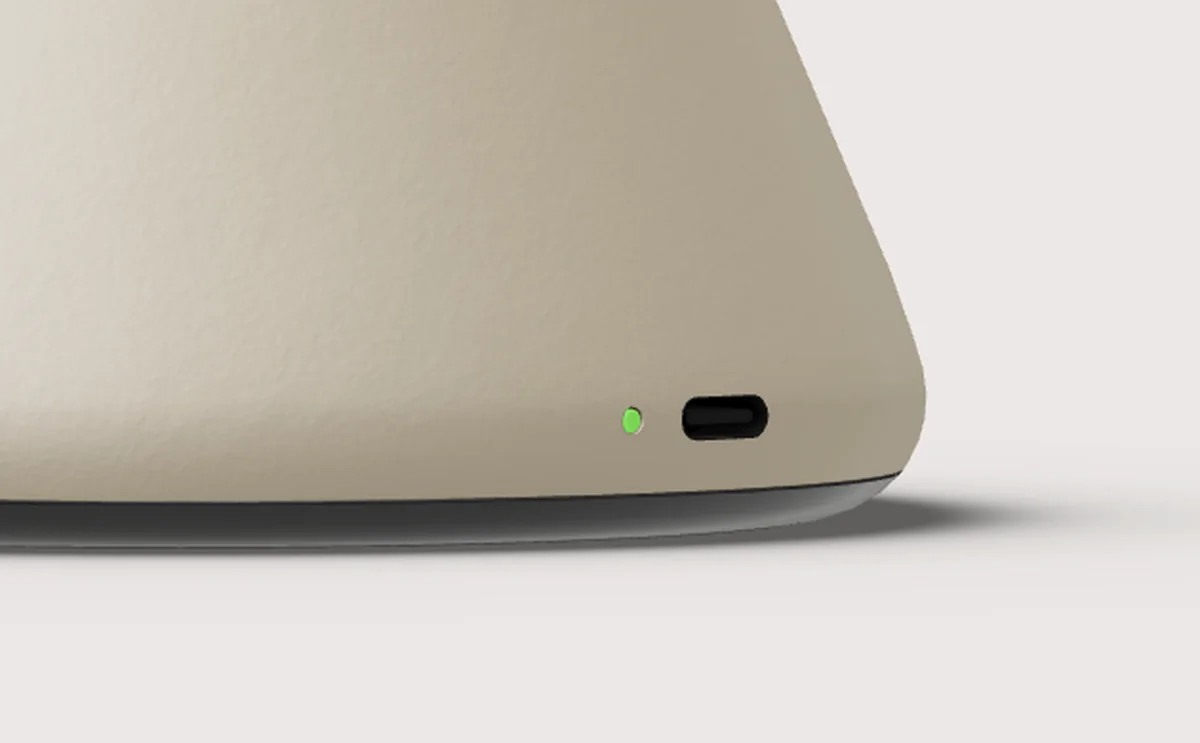
The charging port is where the two builds part ways. Astra modelled it as an opening in the base, with the indicator LED next to it, the way it is on the lamp. Fable's port reads as a flat pale mark that you could mistake for a sticker. Missing a detail versus not missing it is a big deal on a product page, because the customer zooms in on exactly these things.
And on the Astra build, the Ultra Touch Dimmer hotspot flickers at certain angles. A small CSS mistake, and exactly what a client notices first.
Why this matters for trust
If you have to review every detail of a generated 3D model and you find a mistake, you either go in and fix it by hand or you try to reprompt. Both cost time, and you never know how much. A few more iterations on the interface and either build could get to an almost perfect level for e-commerce use. The materials are a different story.
What it took
We are not going to disclose what our team costs. But this is roughly the time it took, side by side. Hours as they were actually spent, across a few days, with a client review in the middle.
Fable 5.1
28 min
asset, page, checks, report
GPT-6 Astra
28 min
asset, page, checks, report
Our team, three people
~20 h
8 h modelling, 4 h design, 8 h development, client feedback, a few iterations
The scorecard
These are our scores. Two rows are measured; the rest is our judgement, and we would rather say so than dress it up as a benchmark. We are not scoring our own work. It is paid client work, delivered and approved, and that column says exactly that.
How we score
- 1 to 2 Unusable. Would embarrass the brand if a customer saw it.
- 3 to 4 Recognisable, but would not pass a client review.
- 5 to 6 Usable after real rework by an artist.
- 7 to 8 Client-ready after minor fixes.
- 9 Near perfect. We would ship it after a final polish.
- 10 Measured perfect, or indistinguishable from what we deliver.
| Out of 10 | Fable 5.1 | GPT-6 Astra | Our team |
|---|---|---|---|
| Fidelity to CAD | 9.5 | 9 | rebuilt without the CAD |
| Weight and speed | 10 | 9.5 | approved by the client |
| Conversion UI | 8 | 9 | approved by the client |
| Brand fit | 8 | 9 | approved by the client |
| Features shipped | 7 | 9 | approved by the client |
| Materials | 2 | 2 | approved by the client |
| Trust | 7 | 8 | approved by the client |
| Overall | 7.4 | 7.9 | paid client work, delivered |
Trust is the row that matters if you work in 3D. Not that a model made a mistake, but that you have to check every detail to find it, and once you find it you either fix it by hand or reprompt. Both cost time you did not plan for.
What this does not prove
- This is an isolated situation. One product, one run each. We will do one type of product every week to see where things stand.
- This lamp does not have many details to cover. With more complex models we expect many more mistakes.
- The CAD existed. A brand with four phone photos and a shop link is a different customer, and half of what a studio does is absorbing that.
- We judged the AI builds ourselves. Read it knowing who wrote it.
Questions people ask
- Can AI do 3D modeling?
- Yes, for the geometry. Given a manufacturer's CAD file, both Fable 5.1 and GPT-6 Astra delivered a web-ready 3D asset and a working configurator in 28 minutes, with the geometry faithful to the CAD within microns. What they did not get right were the materials: the colours and finishes were not close to the real product.
- How long does it take AI to build a 3D product configurator?
- In our test, 28 minutes per model, from the CAD file to a working page with eight colourways, a night mode, dimensions and annotations. Our team's version of the same job took roughly 20 hours across a few days, including client feedback.
- Can AI convert a CAD file into a web 3D model?
- Yes. Both models read the DWG and 3DS files, kept all 7,474 triangles exactly where the manufacturer put them, and exported a GLB of 76 KB (compressed) or 214 KB (uncompressed). Neither needed to reduce the geometry.
- Is AI-generated 3D good enough for an e-commerce product page?
- Not yet, on its own. The interface was a few iterations away from e-commerce ready. The materials, which are what the customer actually judges, were the weak point in both builds. A person still has to calibrate colour and finish against the real product.
- What does AI still get wrong in 3D product work?
- Materials and finishes, small details like a charging port, interface bugs you only catch by hand, and anything that requires the physical product on the desk. Geometry from a clean CAD file is no longer the problem.
What to take away
Both shipped in 28 minutes. Geometry is solved. Materials are not, and that is the part the client actually looks at. The final check for production readiness would most likely be how it handles a client's feedback: understanding the notes, applying the changes, and in the end making the client happy. That is very hard for us to simulate for now.
Next episode
Your product, next?
We build one product per episode. Suggest the product you would like to see, or request a free 3D model of your own product, made by our team, no strings attached.
Request a free 3D model →Stefan Stojiljković, founder of Teatika